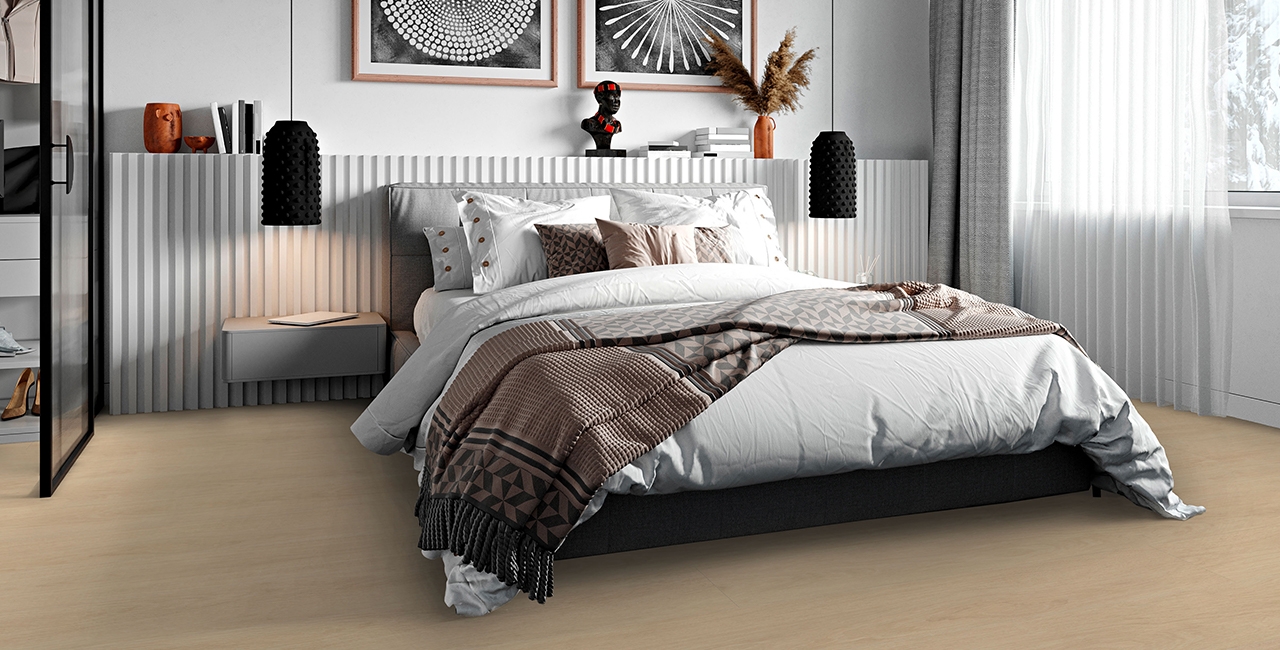
Why is choosing the right underlay for laminate flooring so important?
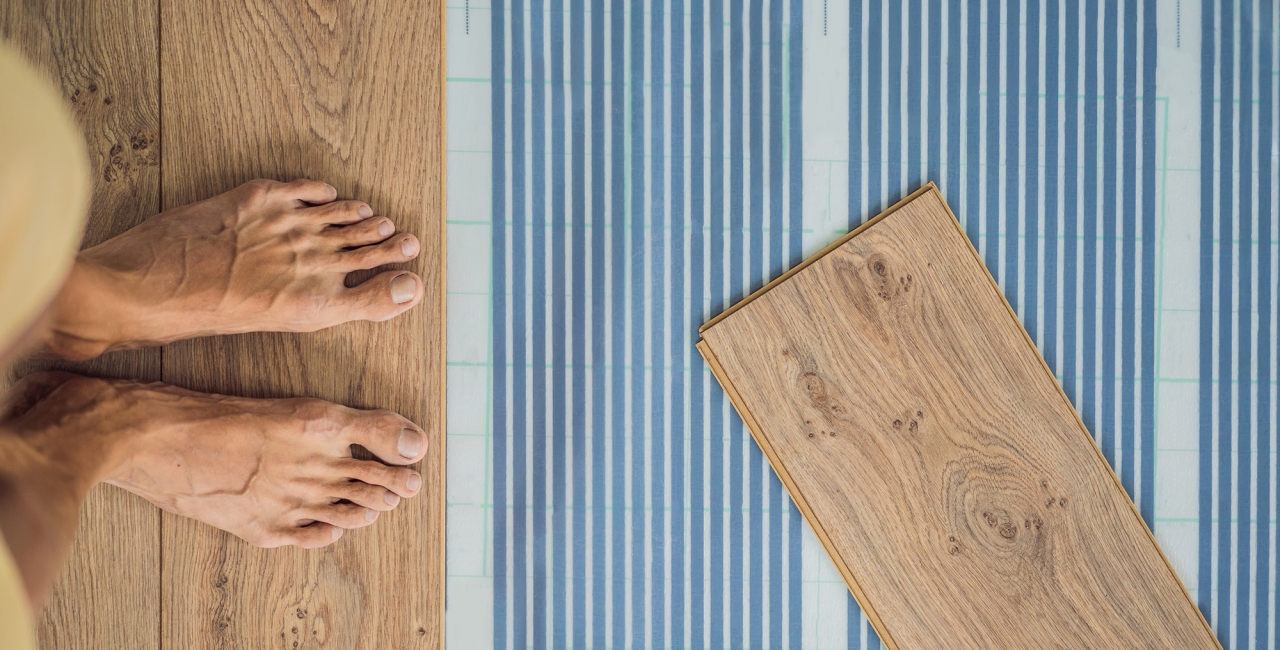
When selecting floor panels, we often focus mainly on their appearance – color, texture, or wear resistance class. However, a key element that largely determines the durability, comfort of use, and acoustics of the floor is the underlay beneath the panels. It is responsible for the stability of the entire structure, sound absorption, thermal insulation, and moisture protection.
What are the benefits of choosing the right underlay?
A good underlay is an investment that pays off in many ways:
- Room soundproofing – the underlay dampens footsteps and reduces noise transfer between floors.
- Moisture protection – especially important when installing on concrete substrates or in rooms exposed to temperature changes.
- Leveling uneven surfaces – even minor height differences can cause panels to squeak or wear out faster.
- Better thermal insulation – particularly important when installing panels on the ground floor or above unheated rooms.
- Protection of the click system – thanks to its cushioning, the underlay prevents excessive strain on the locking mechanisms connecting the panels.
Types of underlays for laminate flooring
There are several types of underlays available on the market, each with slightly different properties. Here are the most popular solutions:
- Polyethylene foam (PE) underlays – lightweight, inexpensive, and easy to install. They work well in rooms with low foot traffic.
- XPS (extruded polystyrene) underlays – characterized by good thermal insulation and high load resistance.
- Polyurethane with mineral additives (tzw. PU+mineral) – a modern solution with excellent acoustic and durability parameters. Ideal for vinyl panels and underfloor heating.
- Cork underlays – natural and eco-friendly, providing excellent acoustic and thermal insulation.
- Underlays designed for underfloor heating – thin, with high thermal conductivity, allowing heat to pass through without obstruction.
Why is it worth consulting with an expert when choosing an underlay?
Selecting the right underlay depends on many factors – the type of panels, the substrate, the intensity of room use, and even the type of heating system. Instead of choosing "by eye," it’s worth consulting with our advisor, who can help select the perfect solution tailored to your needs. This way, you will avoid installation problems and enjoy a durable, quiet, and comfortable floor for many years.